Sign Up to Our Newsletter

    Author Archive

    Should You Ask for Seller Concessions in Today’s Market?

    Seller concessions are back in the conversation—but that doesn’t mean they’re guaranteed

    In today’s market, concessions often show up as closing cost credits, temporary rate buydowns, or repair allowances. Buyers use them to manage upfront expenses or monthly payments, while sellers use them to keep deals moving without cutting price.

    The smartest time to ask is when the home is priced close to market value and has been sitting longer than average—or when inspection findings create legitimate leverage. Asking for everything upfront, however, can weaken an otherwise strong offer.

    For sellers, concessions can be a tactical tool. A targeted credit may cost less than a price reduction and keep the sale on track.

    Whether you’re requesting or offering concessions, context matters. Your Berkshire Hathaway HomeServices network agent, Jane Horne, can help evaluate what’s reasonable, strategic, and likely to keep the deal together through closing.


    What a “More Balanced Market” Actually Means for Buyers and Sellers

    You’ve probably heard the phrase “more balanced market”—but what does that actually mean?

    For buyers, it means more inventory, fewer bidding wars, and time to think. Contingencies are making a comeback, pricing is more transparent, and negotiation is back on the table. Buyers still need to be prepared, but decisions are more thoughtful than rushed.

    For sellers, balance means strategy matters more than speed. Homes that are priced well and presented properly still sell—but not instantly. Expect more showings, more questions, and buyers who compare multiple options before committing.

    This kind of market rewards realism on both sides. Buyers who understand value act decisively on the right home. Sellers who price for current conditions—not peak conditions—tend to attract stronger offers.

    A balanced market isn’t slower, it’s healthier. Whether you’re buying, selling, or both, Jane Horne with Berkshire Hathaway HomeServices can help you navigate today’s conditions with clear expectations and smart positioning.

    How to Price Your Home in a Buyer’s Market


    How to Price Your Home in a Buyer’s Market

    Pricing well is your strongest advantage in a shifting market. While most areas in early 2026 remain balanced—or even slightly seller-leaning—inventory is rising in many metros. That means some markets are tilting toward buyers, and smart pricing matters more than ever.

    Start with recent, truly comparable sales—not active listings. Then layer in today’s realities: longer days on market in certain neighborhoods, more negotiation, and buyers focused on clear value. A strategic price—often just below comparable competition—can spark urgency and expand your buyer pool.

    Other smart moves:

    • Adjust early if showings lag in the first 2 weeks.
    • Pair pricing with strong staging and professional photography.
    • Consider targeted incentives, such as closing cost credits, if competition increases.

    Even in a balanced market, homes that miss the mark on price lose momentum fast. A well-positioned home attracts more attention and stronger offers.

    If you’re considering a sale, I am happy to help you analyze hyper-local data and recommend a price strategy built for today’s conditions—not last year’s headlines.

    Remember & Honor

    As we kick of the Memorial Day weekend and celebrate the beginning of summer,

    REMEMBER to THANK all those who have served to protect us and 

    to all the family’s that have lost loved ones.

    Today is a day to Remember & Honor!


    How Small Mortgage Rate Changes Affect Monthly Payments

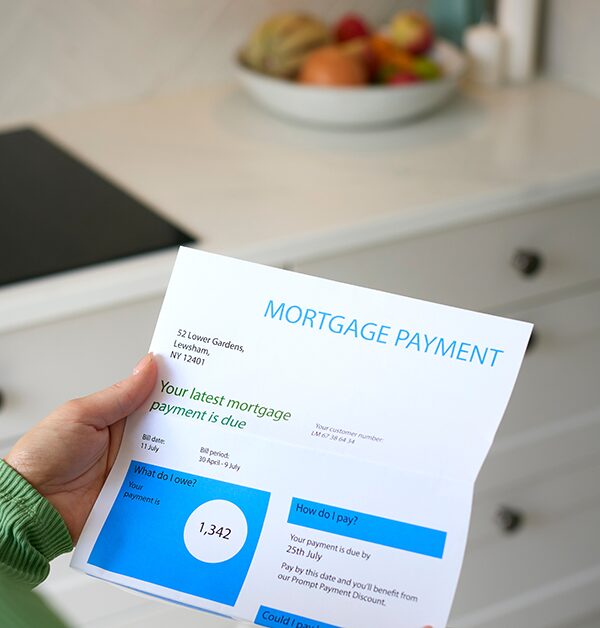
    Mortgage rates have long been front‑page news—especially since they dipped below 6% in late February for the first time in years. Even though rates may shift again by the time you’re reading this, the headline remains the same: small changes matter.

    A 0.25% move can raise or lower your monthly payment by tens to hundreds of dollars, depending on your loan amount. That affects how much home you qualify for, how competitive you can be when making offers, and how comfortably the payment fits your long‑term budget.

    To stay prepared in a still‑fluid 2026 market:

    • Refresh your numbers whenever rates move.
    • Compare lenders, since pricing varies daily.
    • Ask about buydowns, which remain popular with both builders and sellers.
    • Lock strategically once you’re under contract.

    If you’re planning to buy this spring, understanding how rate movement translates into real monthly dollars is one of the smartest steps you can take. Let me know if I can connect you with a mortgage expert so you can shop with clarity and confidence.

    2026 Value Markets: What and Where Are They?

    Value markets are the breakout story of 2026—places where buyers get more space, stronger amenities, and better long‑term potential without stretching their budgets. As affordability remains tight nationwide, these markets are attracting first‑time buyers, remote workers, and move‑up families looking for room to grow.

    What defines a value market?

    • Lower price‑to‑income ratios
    • Growing job bases
    • Steady population inflow
    • Balanced inventory and new construction
    • Livable commute patterns or strong remote‑work infrastructure

    Several metros stand out this year. Columbus, OH, continues to shine thanks to job growth and stable pricing. Pittsburgh, PA, offers affordability plus a strong tech‑and‑healthcare economy. Raleigh‑Durham, NC, blends value with high‑quality schools and expanding employment hubs. And in the Midwest, Kansas City, MO, and Indianapolis, IN, remain favorites for buyers seeking space and predictability.

    If you’re interested in exploring where your money goes further in 2026, call Jane Sullivan Horne at Berkshire Hathaway HomeServices to help you compare markets, understand local trends, and identify areas that match your lifestyle and long‑term goals.

    7 Common Misconceptions About ARMs

    Adjustable‑rate mortgages (ARMs) are making a comeback in 2026, but myths still keep many buyers from considering them. Clearing up the confusion helps you decide whether an ARM fits your financial strategy.

    1. ARMs are risky.” Modern ARMs have caps that limit how much your rate can rise.
    2. Your payment will skyrocket immediately.” Most ARMs have fixed periods—often five, seven, or 10 years—with predictable payments.
    3. “They’re only for short‑term buyers. They can also work for buyers planning to refinance or expecting income growth.
    4. “ARMs disappeared after 2008.” They never left; they just evolved with stronger consumer protections.
    5. “Fixed rates are always better.” Not always. ARMs often start lower, improving affordability.
    6. “You can’t refinance an ARM.” You can refinance just like any other loan.
    7. “ARMs are complicated.” They’re simply structured differently—and easy to understand with the right guidance.

    If you’re curious whether an ARM could lower your upfront costs, your Berkshire Hathaway HomeServices network agent, Jane Sullivan Horne,  can recommend a trusted mortgage professional to talk you through your options.

    Titles vs. Deeds: 5 Key Differences

    Many homeowners use “title” and “deed” interchangeably, but they serve different purposes in a real estate transaction. Understanding the distinction helps you protect your ownership and avoid surprises during a purchase or sale. Here are five key differences:

    1. Concept vs. document: A title is your legal ownership of a property, while a deed is the physical document that transfers that ownership.
    2. Rights vs. transfer: A title represents your rights to use, control, and transfer the property; a deed is the instrument that conveys those rights from one party to another.
    3. Where they exist: A title is a legal status, not a paper. A deed must be signed, delivered, and recorded.
    4. What can affect them: Titles can be impacted by liens, easements, or disputes. Deeds simply record the transfer.
    5. Role in disputes: In ownership conflicts, the title—not the deed—determines who legally holds the property.

    For clarity and confidence during a purchase or sale, review your documents with Jane Sullivan Horne at Berkshire Hathaway HomeServices who can help ensure everything is accurate and complete.

    Quick Tips for Staging Your Home

    Staging helps buyers imagine themselves living in your space—and that emotional connection is often what turns interest into an offer. Start by decluttering key rooms to create a sense of openness. Remove excess furniture, clear countertops, and simplify décor so each space feels larger and more inviting.

    Next, neutralize your color palette. Soft, light tones on walls and accessories help buyers focus on the home’s features rather than personal style. Good lighting also makes a big impact: open blinds, replace dim bulbs, and add lamps to brighten darker corners.

    Consider how buyers will move through the home. Rearrange furniture to improve flow and highlight focal points like fireplaces, windows, or architectural details. Small touches—fresh towels, a bowl of lemons, a vase of greenery—add warmth without clutter.

    And don’t forget curb appeal. A tidy yard, swept walkway, and clean entryway set the tone before buyers even step inside. For tailored staging guidance that highlights your home’s best features, consult a Berkshire Hathaway HomeServices network agent.

    How to Estimate Your Home’s Current Market Value

    Understanding your home’s market value helps you price confidently, plan your next move, and avoid leaving money on the table. A smart first step is reviewing recent comparable sales—homes in your area with similar size, condition, and features. Pay attention to final sale prices, days on market, and any patterns in buyer demand. These details reveal how quickly homes are moving and what today’s buyers are willing to pay.

    Next, take a clear-eyed look at your home’s condition. Small improvements like fresh paint, updated lighting, minor repairs, or simple landscaping upgrades can meaningfully influence value. Even well‑maintained homes benefit from a quick refresh before you estimate their worth. Online valuation tools can offer a general range, but they often miss important nuances such as upgrades, layout differences, views, or neighborhood micro‑trends.

    For the most accurate picture, request a professional market analysis from a Berkshire Hathaway HomeServices network agent, who can provide a clear, data‑backed estimate tailored to your home, your neighborhood, and current market conditions.