Sign Up to Our Newsletter

    Author Archive

    Top Reasons Why Your Home Might Not Be Selling

    If your home is sitting on the market longer than expected, a few common issues may be holding it back. The most frequent culprit is pricing too high—buyers compare options quickly, and an overpriced home often gets skipped. Another factor is presentation. Clutter, dated décor, or deferred maintenance can make buyers hesitate, even if the home has great potential.

    Your marketing strategy also plays a major role. Low‑quality photos, limited online exposure, or missing video and virtual tour options can reduce interest. Today’s buyers expect polished, accessible listing content that helps them visualize the home before they ever step inside. Finally, consider market timing. Seasonal slowdowns or increased competition can affect activity even when your home is well‑priced and well‑presented.

    The good news: all of these issues are fixable. With the right adjustments, your home can regain momentum. For a strategic review of your listing and expert guidance, connect with a Berkshire Hathaway HomeServices network agent.


    Real Estate Transfer Taxes Explained

    Real estate transfer taxes are a one-time fee—a deed transfer tax—in reality. They are based on the purchase price of the property when it changes ownership. Charged by some states, counties, or cities, these non-federal fees are paid by the buyer or the seller or split between the two.

    Also known as documentary stamp taxes or state documentary fees, the amount owed for real estate transfer fees varies widely. Due on closing day, or close of escrow, the fee can be as low as $50 on a $500,000 home in Colorado, or as high as $3,500 for the same home in Florida.

    Unlike estate and gift taxes, real estate transfer taxes aren’t paid to the IRS. They’re paid to the taxing authority that levied the tax. In the case of inherited property, sometimes the tax could be reduced or waived if the recipient uses it for a primary resident.

    If you’re buying property out of state and want more information, contact the state’s legislative or government website for property statutes.

    How to Keep Your Remodel on Budget

    Home remodeling is notorious for costing more than homeowners initially planned, for many reasons, including:

    1. Products and services may cost more than expected.
    2. Supply chain interruptions and new tariffs may cause additional expenses.
    3. Demolition may reveal problems like mold, out-of-code wiring, or a damaged sub-floor.
    4. You upgrade to more expensive products and appliances after work begins.
    5. The cheapest contractor may underbid to get the job, then cut corners or hit you with higher invoices later on.

    As you can see, some costs are beyond your control, so it’s smart to build an extra 25% into your budget before work begins. Other ways to manage your budget are to:

    • Check the condition of the most expensive systems, like HVAC, electrical and plumbing.
    • Concentrate on living rooms, kitchens, and bathrooms.
    • Choose updates that bring the most bang for your buck: floors, countertops, cabinets, appliances and fixtures.
    • Bundle upgrades, like new insulation to go along with new windows.
    • Keep your existing floor plan.
    • Choose classic, durable materials, like hardwoods and stone.

    Stick to the above advice and your home will look great—and so will your finances.

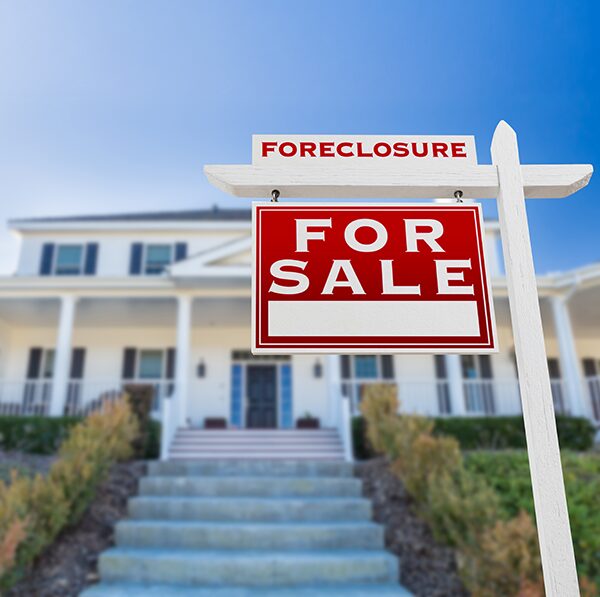
    Should You Buy a Foreclosure?

    Rising foreclosures (default notices, scheduled auctions, and bank repossessions) spell some opportunity, but today’s REOs (real estate owned, but literally: lender-owned) aren’t the bargains they were during the Great Recession. In 2008, REOs rose to over 2.3 million units, while today there are only about 380,000 units.

    You’ll have fewer choices, more competition, and less desperate pricing, so here’s what you should know:

    • REOs are typically sold “as is”, meaning no repairs.
    • Some REOs can’t have home inspections.
    • Renovations and repairs may be costly.
    • You may pay some or all of the seller’s closing costs.
    • Any liens on the property will fall to you to pay.
    • REO auctions often require a hefty deposit then payment in full by certified check or cash.

    There are several ways to find foreclosed properties and upcoming auctions.

    Further questions? Ask Jane At The Lake for assistance.

    Ditch This Dated Home Décor

    Why would your décor matter to today’s homebuyers? Décor strongly determines the ambiance, era, and overall attractiveness of your home. Tastes change with time; lifestyle aphorisms, wall-to-wall carpet, dust ruffles on couches and beds, and other “outdated” décor can be easily updated to make your home more appealing. Get rid of:

    Matching furniture sets, especially fast furniture. The look today is more curated and blended, with furniture and accessories collected from different parts of the world and from different periods.

    Out-of-touch opulence. Displays of silver, tea services or other relics of the servant-centric past; faux glamour from mirrored coffee tables and side tables; and fake fur throws and pillows.

    Too much of one element. E.g. paneled rooms, bordered wallpaper, or the same boring, neutral paint color throughout the house. A mix of bold color, fabrications, textures, and patterns is far more interesting.

    Themed décor. E.g. moose images and buffalo plaid for mountain homes, or starfish coasters and canoe paddles in coastal homes.

    Lounge chairs and massage chairs. These guilty pleasures are best left to the den or bedroom.

    The Latest Home Seller Marketing Trends

    Does your home boast the latest trends to appeal to homebuyers? A new report by Realtor.com says home sellers are emphasizing their homes’ operating features, with more focus on “power, water, and natural light”.

    Based on how frequently certain features are highlighted in for-sale listings, the listing service found that between Septembers 2024 and 2025, the top 10 fastest growing marketing trends are:

    1. WaterSense fixtures (+289.6%)
    2. Biophilia/indoor-outdoor (+162.6%)
    3. Coastal modern (+125.6%)
    4. Net-Zero ready (+100%)
    5. EV charging station (+91.6%)
    6. Outdoor low-voltage lighting (+91.1%)
    7. Home gym (+91.1%)
    8. City skyline views (+86.9%)
    9. Aged metal accents (+79.8%)
    10. Built-in coffee system (+72.2%)

    Most widely mentioned were: Home office/Zoom rooms (+56.5%), fully fenced yards (61.2%), and finished walk-out basements (+21.4).

    Less often-mentioned were: House numbers/modern address (-34.6%), formal dining with built-ins (-25.3%), and Infinity-edge pools (-24.7%).

    With affordability remaining an issue for homebuyers, home sellers are touting right-sized comfort, flexibility, efficiency, sustainability and nature-inspired design over “opulent or space-heavy features.”

    A Quick Guide to Understanding Escrow

    When you pay the earnest money to the seller as part of your down payment, you’re showing good faith that you intend to buy the home. The money goes into an escrow account held by a neutral third party, such as a title company, until all the contingencies and conditions of the purchase are met, or the purchase contract is voided.

    After the transaction is closed, the loan servicer or lender takes over and safeguards the money funded by your monthly mortgage loan payment in an escrow account. The servicer pays the lender, mortgage and property insurers, and other entities on your behalf. They also save and pay the funds earmarked for annual property taxes when they’re due.

    If the current escrow is short of funds because of an adjustable loan reset or your property taxes have risen, the servicer lets you know promptly. They calculate your new monthly payment to not only make up the shortfall, but to cover all monthly and annual payments due.

    Escrow accounts are secure and simplify payments for everyone.

    What Does Cash-to-Close Mean?

    Cash-to-close on a home purchase is a term that can be misleading, but it simply refers

    to the total amount of money you need at closing, including:

    • Your down payment
    • Closing costs
    • Prepaids
    • Interest

    This “cash” is outlined by the good faith estimate you originally received from your lender along with the final closing disclosure you’ll get three days before the closing date.

    If you have some cash-to-close held in escrow, such as your earnest money to the seller, it will be added to the rest of your down payment that you bring to closing.

    Closing costs range from 2-5% of your loan. These include all the professional fees associated with your home purchase:

    • Title searches
    • Attorney fees
    • Recording fees
    • Lender fees, such as appraisals and loan origination fees

    Other cash-to-close fees may include pre-paid monies for home insurance, your prorated share of the year’s property taxes, and any government (FHA, VA, USDA) fees tied to your loan. Last, you’ll pay per diem interest between closing day and your first monthly payment due date.

    Top Paint Colors for 2026

    For 2026, house paint companies have reimagined greens and browns for their “Color of the Year” choices for a modern, saturated approach to nature-inspired décor.

    Behr’s Hidden Gem (N430-6A): Behr’s 2026 Color of the Year is a “smoky jade with an air of mystery and sophistication”. The hue a is rich blanket of sophisticated comfort.

    Valspar’s Warm Eucalyptus (8004-28F): The company’s colorists call this warm, earthy green shade “restorative”—a welcome cloak of tranquility and restfulness.

    WGSN and Coloro’s Transformative Teal (092-37-14): A fusion of blue and aquatic green which suggests change and redirection, like rolling seas or rising mountain ranges.

    Dunn-Edwards’ Midnight Garden (DE5657): A more saturated, modern take on avocado, this deep, muted green color grounds the home in nature, like a “lush garden under the moonlight”.

    Benjamin Moore’s Silhouette (AF-655): A luxurious burnt umber chosen for its elegant espresso shade, Silhouette pairs well with both midtones and pales.

    Sherwin-Williams’ Universal Khaki (SW 6150): An enlightened brown/green blend, Universal Khaki is an ideal neutral for a warm ambiance.

    How to Avoid Property Tax Shock

    Your lender should warn you that the amount you have in escrow for property taxes will go up when you receive your first assessment as the new owner within the following year. You’re paying the previous homeowner’s assessed rate, prorated to when you purchased the home to the end of the year.

    Chances are you paid much more than the previous owner for the home, so your assessment will be higher, based on current market value at that time—which you helped establish with the price you paid for the home.

    Your annual assessments should reflect market value at the time, but if you think it’s too high, you can protest your home’s valuation:

    1. Check your assessment for incorrect data and exemptions you may qualify for, such as those regarding homesteads, seniors, veterans, workforce personnel, and disabilities.
    2. Ask your Berkshire Hathaway HomeServices network professional, Jane Horne, for a comparative market analysis.
    3. File an appeal using your evidence.

    To avoid getting property tax shock in the future, be proactive. Increase your housing budget for next year.