Sign Up to Our Newsletter

    Author Archive

    Did You Make Your Home Harder to Sell?

    If your home has been sitting on the market with little interest and no offers, you might be tempted to blame the economy. But sometimes, the problem lies closer to home.

    Many sellers forget that buyers have access to the same market data they do. Buyers can easily compare similar homes nearby—and quickly reject those that are:

    1. Overpriced
    2. In need of too much work
    3. Sitting on the market too long

    While some factors—like location, mortgage rates, or local job trends—are beyond your control, others aren’t. It’s ultimately up to you to make your home easier or harder to sell:

    Harder: Price your home based on the profit you want.
    Easier: Price it based on current market conditions for a faster sale.

    Harder: Skip needed repairs and updates.
    Easier: Make sure the price reflects your home’s true condition.

    Harder: Refuse to adjust your price for months.
    Easier: Respond to market realities and make timely adjustments.

    How Electronic Closings Work

    Electronic closings, also known as eClosings, not only save money on paper and mailings, but they can also be signed by all parties, notarized, and sent/stored securely regardless of location. With a secure online portal, your mortgage closing is safer than ever.

    Most states accept eSignatures, eNotarizations, and eClosings under the Uniform Electronic Transactions Act (UETA).

    Acceptable eSignatures include:

    1. Typing your name into the signature space
    2. Uploading a snapshot of your signature to the document
    3. Using a stylus or finger to write your signature

    However, an eClosing may involve additional means of confirming the borrower’s identity and signature such as a video conference or in-person appearance. According to QuickenLoans.com, some states require notaries to obtain a digital certificate before conducting an online notarization.

    There are three types of eClosings:

    • Hybrid eClosings require an in-person meeting between the notary and borrower for “wet ink” signatures.
    • In-Person Electronic Notarization (IPEN) are also face-to-face, but all documents are signed electronically.

    Remote Online Notarization (RON) allows all parties to meet virtually, eSign and eNotarize.

    What’s the Difference Between Assessed and Appraised Market Value?

    How much is your home worth? How much should you pay for your next home?

    These are questions about market value—a figure best determined by a licensed or certified appraiser. Appraisers are typically employed by:

    • Homebuyers, to confirm for lenders that a property is worth the loan amount.
    • Property tax or appraisal districts, to assess a property’s market value for tax purposes.

    Appraisers rely on two primary methods to determine market value:

    1. MLS Data
      The local multiple listing service (MLS) provides detailed information about active listings, recent sales, and tax records. Appraisers analyze factors such as days on market, price changes, and square footage to identify market trends and comparable sales.
    2. Observation
      A visual inspection of the property helps appraisers evaluate its condition and compare it to similar homes within the same neighborhood.

    It’s important to remember that a home’s market value isn’t set in stone. Ultimately, true market value is the price a willing buyer agrees to pay—and a willing seller agrees to accept—for a given property.

    Happy New Year from Jane At The Lake!

    I want to wish you and your family a Happy New Year!  May 2026 be a year full of health, happiness and prosperity! 

    Safety tips for Shoveling Snow and Ice

    Removing ice and snow from walkways and driveways is heavy labor and can be dangerous to your health. According to the Mayo Clinic, you should consult your physician to make sure your heart can handle such heavy exercise. Before you start shoveling, stretch your limbs to protect muscles and joints from injury. Drink plenty of water or a sports drink before and after you shovel and wear multiple layers of protective clothing to avoid frostbite.

    Start shoveling when snow has fallen two to four inches, before it becomes packed and harder to remove. Straighten your back and bend at the knees and push the snow out of the way with your shovel. The wider the shovel, the heavier it will be to move, so fill it only ¼ to ½ full and hold your lifting hand close to the blade. Lift with your legs and don’t twist your back to toss snow.

    It’s easy to overestimate your endurance, so stop when you’re tired and take frequent breaks. How does a nice hot chocolate by the fire sound?

    How to Make Your Holiday Home Inviting to Buyers

    The housing market slows during the holidays, but that could be the best time to sell your home. With less competition from other sellers and homebuyers who want to close and move by the New Year, you can use the holidays to charm and engage your home’s future owners with these 5 tips:

    1. Pile on the hospitality. Lights, decorations and tantalizing cooking aromas can remind homebuyers of happy memories. Help homebuyers easily imagine themselves, their family and friends together in the festive home.
    2. Keep pathways safe. Welcome homebuyers with a well-lit pathway cleared of snow and ice.
    3. Keep decorations tastefully neutral. Too many colors and motifs can be distracting. Make your home festive with a unified theme, such as greenery boughs and tiny twinkling lights.
    4. Play to your home’s strengths. Stick to themes that complement your home’s origins, whether contemporary, traditional, or historical.

    Don’t overdo it. Don’t detract from the home with yard inflatables, gigantic Christmas trees, and holiday clutter. Buyers need to see the bones of the house and decide if they can make their lives there.

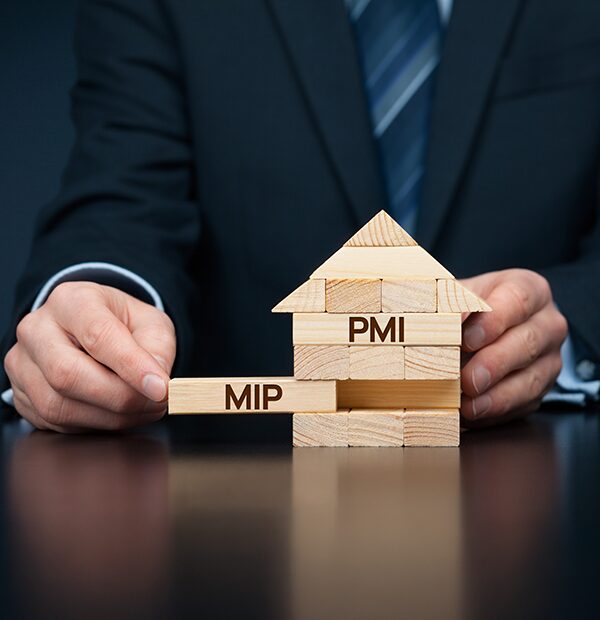
    The Difference Between PMI and MIP

    Mortgage insurance has two purposes—protecting lenders from potential homebuyer defaults and to allow homebuyers to qualify for a mortgage without making a large downpayment.

    Mortgage insurance premiums (MIP) are paid as part of the mortgage payment for a loan guaranteed by the government, specifically the Federal Housing Administration (FHA). MIP stays with the loan for its full term if it was originated after June 3, 2013, or if you put down less than 10%. If you put down 10% or more, MIP can be eliminated after 11 years.

    Private mortgage insurance (PMI) is only required for loans not guaranteed by the government, such as conventional loans that meet the borrower qualification standards as outlined by Fannie Mae and Freddie Mac. These are government-sponsored entities that buy mortgages from banks to package into mortgage-backed securities for investment. By returning the mortgage money to the bank that paid it out, banks can lend to borrowers repeatedly. Once the homeowner’s equity surpasses 20% to 22%, through making monthly and extra payments and market appreciation, they can petition the loan servicer to remove the PMI.

    What Does Lot Value Mean to the Seller?

    If the home you inherited or live in requires too much work and expense to bring to market, you may consider selling the property at lot value. Lot value simply means that the property is valued for the land only, and that the home upon it is so obsolete, derelict, or damaged that it should be torn down. Some buyers may choose to remodel so they can get a toehold in their desired neighborhood.

    The four best reasons for selling a home at lot value are:

    • Sellers don’t have to do any preparation or repairs for a lot-value or as-is sale. They can leave unwanted items like old furniture for demolition.
    • They have no demands to negotiate with the buyer except price.
    • The transaction can close faster when there are no checklists to meet.
    • The transaction is much more stress-free.

    Home values have increased to the point that you could still sell at an attractive profit, so ask your Berkshire Hathaway HomeServices network professional whether your home is appropriate to sell “at lot value.”

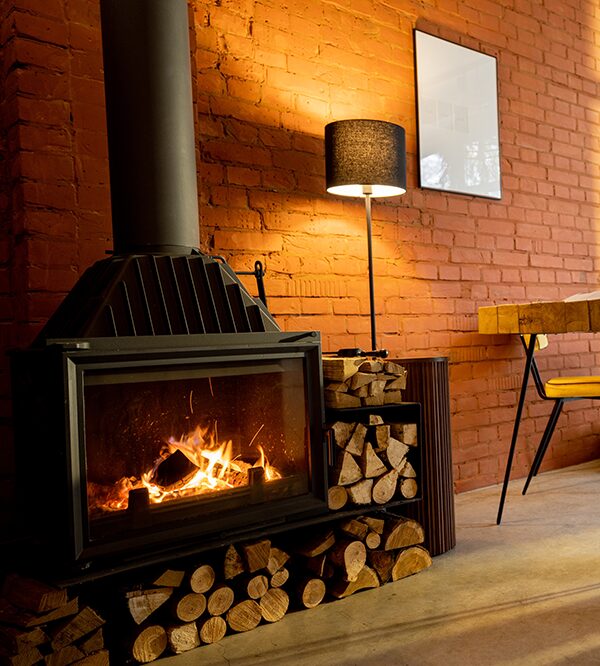
    How to Keep Your Wood-burning Fireplace Tidy

    The smoky aroma of a wood-burning fireplace is an annual winter pleasure for many homeowners. But eventually, the stale smell of burned wood and ash seems to permeate the whole house. Then it’s time to take action.

    poorly-maintained fireplace can cause far more than unpleasant odors—it can create serious hazards like chimney fires, carbon monoxide poisoning, poor airflow, or missing chimney caps that invite critters and nesting birds. Many homeowners don’t realize that creosote—a highly flammable residue that builds up on chimney walls—is made worse by burning items such as gift wrap, junk mail, trash, or other coated materials. These not only release toxic fumes but also generate excess smoke and dangerous residue. Another common culprit is “green” wood, which hasn’t been properly seasoned; its high water content causes uneven burning and heavy smoke.

    The best prevention? Schedule an annual chimney inspection and sweeping, burn only seasoned wood, and clear cold ash regularly to reduce stale odors and maintain a safe, efficient fireplace.

    Happy Thanksgiving from Jane At The Lake!