Sign Up to Our Newsletter

    Author Archive

    Should You Buy a Home During the Holidays?

    If you want to celebrate the holidays by pausing your home search until next year, you may be missing an excellent time to buy a home.

    Homes on the market during the holidays have typically been for sale for a while. They could be overpriced or in less than move-in condition. The owners could be recent heirs, landlords, work transferees, divorcees, widowers, etc.  What these homes have in common are highly motivated sellers.

    As other homebuyers sideline themselves, you’ll also have an easier time shopping for homes and service providers like home inspectors, mortgage lenders, contractors, movers, and others. And you can save money—homes typically sell for more in the spring and summer than in the winter.

    Lastly, closing your home purchase before January 1st gives you an extra year of tax deductions and benefits. If you close after that date, you must wait until the following year to claim benefits.

    Different seasons offer different advantages, but the holidays can be uniquely beneficial.

    U.S. Housing Market Shows Signs of Cooling Amid Rising Inventory

    Since June 2019, list prices are up 37.6% and price per square foot is up nearly 52.3%, but there are signs the housing market is slowing—at least in some areas.

    In July 2025, the number of homes for sale grew 24.8% year-over-year, according to Realtor.com, and they remained on the market a week longer than the previous year. Price cuts were reported on more than 20% of active listings. Overall, prices rose just 0.5% since last year but fell in 33 of the nation’s 50 largest metros. Of these 50 metros, 13 exceeded their pre-pandemic housing supplies by 25% or more, including Denver, Austin, and San Antonio, while 17 metros remain 25% or more below their pre-pandemic inventories, including Hartford, Chicago, and Providence.

    Mortgage interest rates more than doubled during the pandemic to above 7%, but they’ve been drifting downward. The combination of greater selection and lower mortgage rates could reignite the housing market again.

    Be prepared with pre-approval from several lenders so you can act quickly when the right home appears.

    Thank you for your service!

    Happy Halloween From Jane At The Lake!

    Don’t Be Afraid to Buy That Spooky Home

    Old homes in need of lots of repairs can often be spooky—but that doesn’t mean they’re haunted. A spooky home may only need work, not an exorcism. If you’re open to it, you could end up with more space and features at a bargain price.

    Older homes needing work tend to sell at an attractive discount. Even if you feel like you’ve walked into a time capsule where you don’t belong, the age and condition of the home matter little if you renovate it in a financially feasible way.

    The other option is demolition and building a new home. Talk to your lender and see if the price of the home and the cost of renovations or building new are affordable.

    Just don’t over-improve for the neighborhood. Your benchmark will be nearby, similar homes that have either renovated or rebuilt to modern homebuyers’ standards.

    So, don’t be spooked by a dark, spooky home. It may only need a new electrical panel, new lights, new windows, and some tree-trimming.

    Discover the 2 Most Common Home Selling Mistakes


    As a home seller, you have three goals—to sell your home for the highest sum in the shortest time with the least effort. But if you make either of the following mistakes, your home will take longer to sell and for less money.

    1. You may decide on the FSBO (for sale by owner) route to avoid paying real estate professional fees, but you’ll attract bargain-hunters and house-flippers who also want to shave off agent fees by dealing directly with the seller. FSBOs are notorious for “testing the market” at too-high prices and making the fewest repairs and improvements.
    2. Or, you may list your home with a professional, but refuse to follow their advice by pricing your home too high or declining to get your home in market-ready pristine condition.

    Your Berkshire Hathaway HomeServices network professional offers a worldwide network of colleagues and qualified homebuyers. Their data helps you prepare your home to appeal to today’s homebuyers and list it for the best price and quickest sale possible.

    Reach out to Your Forever Agent® today for a consultation.

    Reinsurance Explained: How Insurance Companies Mitigate Major Disasters

    If you’re wondering how insurance companies can stay in business after major natural disasters, there’s a centuries-old strategy they have for mitigating losses called reinsurance. Reinsurance is, in simple terms, insurance that insurance companies buy for themselves to protect their assets against unforeseen or extraordinary losses.

    It’s unknown when and where a wildfire, tornado, or hurricane will devastate homes, buildings, vehicles, livestock, and landscapes, so the primary or ceding insurance company (the one that issues you your home’s hazard insurance) pays for a premium with a reinsurance company (also known as an assuming insurer) to indemnify the primary insurer against part or all of the losses it may incur, as per the reinsurance agreement.

    The purpose of reinsurance is multi-fold. Not only does it help primary insurance companies control their risks, it also helps them maintain their financial stability and grow their business.

    What is the 2/3 Rule in Home Décor?

    The best interior designs don’t happen by accident. One tried and true “rule” that interior designers, artists, craftspeople, and furniture makers rely upon is the 2/3 Rule.

    The 2/3 Rule can be used when you select anything for your home—a sofa, oil painting, fine rug, or chandelier. If you’re unhappy with something you’ve chosen, it could be that the proportions are wrong and it doesn’t play well with something else. Explains one designer, your “furniture should take up two thirds of the area, leaving enough floor space for easy traffic flow.” A coffee table should be two thirds the sofa’s size. A painting or grouping of photos should take up two thirds of their wall space.

    It’s a simple rule of proportion. No room, wall, or table should be filled from end to end, nor should they be too barren. Your goal is to create a pleasing balance between filled spaces (two thirds) with empty spaces (one third). This makes the most comfortable, inviting environment because there’s room for your family and friends to enjoy.

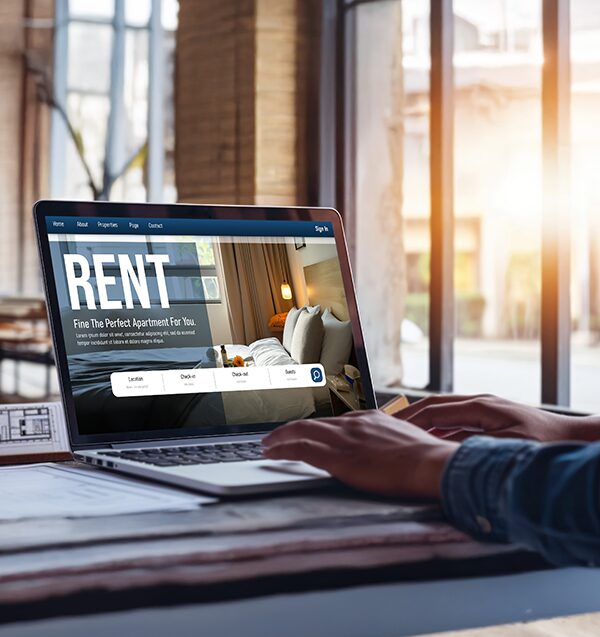
    Are Short-term Rentals Still Profitable?

    Short-term rentals average 8% to 12% ROI, but it’s getting harder to make a profit.

    According to a joint report by Airbnb, VRBO, STR, and Datarade, occupancy rates have declined since 2021 while inflation, interest rates, insurance premiums and property management costs are all higher. Municipalities are imposing more regulations on rentals, and many vacation destination markets, like Lake Tahoe, are overly saturated with rentals.

    You can still earn strong returns with a short-term rental—even in a less popular location—but guest expectations and competition are higher than ever. Remember, you’re selling an experience, so make the property as inviting and well-maintained as possible. Consider offering thoughtful extras like snacks, bottled water, and s’mores kits for the firepit. Include a detailed guide to local restaurants, attractions, and activities. Stock games, books, and ensure easy access to Wi-Fi. Avoid overloading guests with excessive rules or cleaning tasks at checkout.

    Your goal is to drive repeat and referral business through standout hospitality, great communication, and consistent service.

    The Kitchen Triangle Reimagined


    Since the 1940s, the “working triangle” has been known as the model of efficiency for modern kitchens. But as society changes, so do concepts of how kitchen space is utilized.

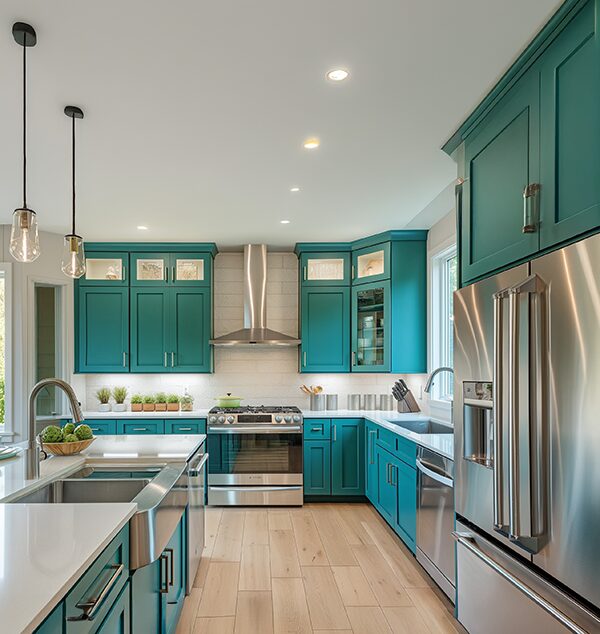
    The kitchen triangle was designed to save steps between the most frequently used appliances—the refrigerator, cooktop/stove/oven, and the sink. This concept worked well for small single-cook kitchens, but today’s busy dual-income and multi-generational households prefer large kitchens where the family can gather, cook, and dine together.

    Saving steps in a large kitchen requires multiple work stations. For example, food preparation begins with retrieving and laying out ingredients for rinsing, chopping and mixing, so the refrigerator-pantry-freezer can triangulate with an island food prep area, complete with a small bar sink for rinsing vegetables. A separate wall sink is optimal next to a dishwasher and trash compactor.  A dish, glassware, and small appliance storage area can adjoin a beverage station for coffee or smoothies.

    This way, families can use meal preparation as a bonding experience, performing different tasks smoothly and efficiently without getting in each other’s way.